Ponytail Icon: Adding Dynamic Energy to Modern Typography
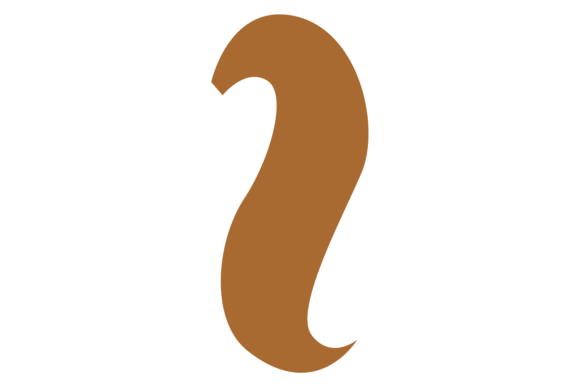
In the vast landscape of design assets, finding an element that communicates specific personality traits without requiring a paragraph of explanation is invaluable. This is precisely where the Ponytail Icon. Female Hair Style Color E shines. It is not merely a collection of vector shapes; it is a piece of visual shorthand. The icon depicts a stylized female hair silhouette characterized by a distinct, swept-back ponytail, utilizing a specific color palette (Color E) that adds depth and vibrancy. Isolated on a clean white background and available in versatile formats like EPS, JPG, SVG, and transparent PNG, this asset is engineered for seamless integration into complex design ecosystems.
Visually, the appeal of this icon lies in its balance of simplicity and energy. The lines are typically smooth and fluid, suggesting movement and confidence. The "Color E" designation implies a curated, modern hue—perhaps a vibrant coral, a deep teal, or a sophisticated muted pastel—that ensures the icon pops against various backgrounds without clashing with surrounding elements. For a designer, entrepreneur, or content creator, the Ponytail Icon represents more than just a hairstyle; it symbolizes youthfulness, action, professionalism, or approachability, depending on the context in which it is placed. It serves as a powerful graphic element that bridges the gap between literal representation and abstract branding.
Strategic Applications: From Brand Identity to Social Media
Understanding where this asset fits into your workflow is key to maximizing its return on investment. The utility of the Ponytail Icon. Female Hair Style Color E spans across numerous industries and project types, functioning effectively as a creative font alternative where typography alone might fall short.
Elevating Brand Identity and Logo Design
For businesses targeting a female demographic—such as beauty salons, fitness studios, fashion boutiques, or wellness blogs—this icon serves as a foundational element for logo design. Instead of relying solely on text, a mark incorporating this ponytail silhouette can instantly communicate the brand's focus. It works exceptionally well as a favicon, a social media profile picture, or a watermark. When used in packaging design, the icon can break up dense blocks of text, guiding the consumer’s eye and adding a human touch to the product presentation. Because the asset comes in vector formats like EPS and SVG, it scales infinitely without losing quality, ensuring your brand looks sharp on everything from a business card to a billboard.
Enhancing Digital and Editorial Design
In the realm of web design and editorial design, visual hierarchy is paramount. The Ponytail Icon can act as a bullet point for lists, a divider between sections in a long-form article, or an accent graphic for pull quotes. For bloggers and publishers, using this icon consistently helps build a visual language that readers subconsciously associate with the content's tone. If you are creating social media graphics, the transparent PNG version allows you to overlay the icon onto photography or complex backgrounds without awkward white boxes, maintaining a professional, high-quality aesthetic that stops the scroll.
The Mechanics of Visual Influence
While we often associate typography with readability and hierarchy, icons play a parallel role in guiding the user experience. Incorporating the Ponytail Icon. Female Hair Style Color E into your projects influences several psychological and structural aspects of design.
First, consider visual hierarchy. In a dense layout, the human eye seeks anchors. A colorful, well-placed icon provides a resting point and draws attention to specific areas of the page, such as a call-to-action button or a header. Second, there is the matter of brand perception. Using a stylized, modern icon suggests that the brand is contemporary and detail-oriented. It moves a design away from generic stock imagery and toward a more cohesive, curated look. This consistency builds professionalism and trust with your audience. When a customer sees a consistent set of visual assets used across a website, email newsletter, and product packaging, it signals reliability and attention to detail.
Practical Guide: Integrating the Asset into Your Workflow
For the small business owner or hobbyist crafter, acquiring a digital asset is only the first step. Knowing how to evaluate and implement it is where the real value lies. Here is a practical approach to working with the Ponytail Icon.
Evaluating Fit and Font Pairings
Before placing the icon, assess the existing typography of your project. If your brand uses a heavy, bold sans serif font, the fluid lines of the ponytail might provide a necessary softening contrast. Conversely, if your primary typeface is a delicate script font or handwritten font, ensure the icon’s stroke weight doesn’t overpower the text. Treat the icon as you would a display font—it is an accent meant to draw attention, not necessarily to be read as body text. Conduct a font pairing test: place the icon next to your headline fonts and see if they compete for attention or complement one another.
Technical Implementation and Licensing
Because the Ponytail Icon. Female Hair Style Color E is provided in multiple formats, you have flexibility. Use the SVG for web design to ensure fast load times and crisp edges on retina screens. Use the EPS for print-heavy projects like brochures or apparel design to ensure color fidelity. However, always review the commercial font or asset licensing. Even if you are a crafter selling items on Etsy or a marketer creating ads, ensure the license covers your specific usage (commercial vs. personal). This due diligence prevents legal headaches down the road and ensures you are respecting the creator's work.
Ultimately, the Ponytail Icon. Female Hair Style Color E is a versatile tool in the modern designer's kit. It offers a quick way to inject personality, gender-specific signaling, and professional polish into a wide array of projects. By treating it as a core component of your brand identity rather than just a decorative afterthought, you can significantly enhance how your audience perceives and engages with your content.